
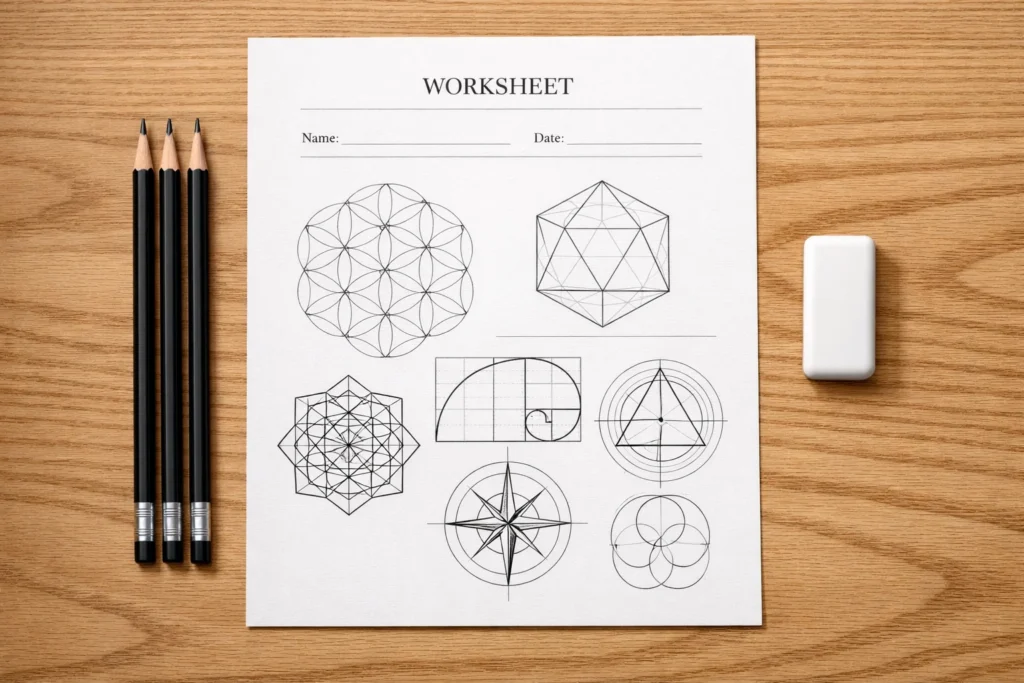
In an increasingly digital world, the fundamental “pencil-to-paper” connection is becoming a vital necessity for young scholars. While tablets and educational apps offer convenience, cognitive science reveals that the physical act of writing on paper activates unique neural pathways essential for long-term memory and linguistic development. This is why tactile learning remains a cornerstone of academic excellence.
When a student engages with physical educational printables, they practice “haptic perception”—a process where the brain, eyes, and hands work in perfect synchronization. For parents seeking to reduce screen time without sacrificing quality, using K-6 learning resources in a physical format offers a much-needed “digital detox” that fosters deep concentration. Research consistently indicates that handwriting through printable worksheets enhances fine motor skills and literacy retention far more effectively than typing. By integrating structured resources into a daily routine, you are providing the cognitive scaffolding needed for complex problem-solving and sustained focus.